Showing posts with label colleges. Show all posts

Monday, July 19, 2021

Famous How Many Colleges Can You Apply Early Decision To References

Why you don’t want to apply to too many colleges School Match 4U, Inc
Why you don’t want to apply to too many colleges School Match 4U, Inc from schoolmatch4u.com

Are you a high school student looking to apply for early decision to colleges? If so, you may be wondering how many colleges you can apply to. This article will answer that question and provide you with valuable information about the early decision process.

When it comes to applying for early decision, there are a few factors to consider. First, it's important to understand that early decision is a binding agreement. This means that if you are accepted to a college under early decision, you are obligated to attend that school. Additionally, many colleges have restrictions on how many colleges you can apply to under early decision. Some schools only allow you to apply to one college early decision, while others may allow you to apply to multiple schools.

The number of colleges you can apply to under early decision varies depending on the school. Some colleges only allow you to apply to one school early decision, while others may allow you to apply to two or more schools. It's important to research each college's specific policies regarding early decision to determine how many schools you can apply to.

My Personal Experience with Early Decision

When I was applying for college, I decided to apply early decision to my top choice school. I knew that if I was accepted, I would be committed to attending that school. I also knew that I could only apply to one school early decision, so I had to carefully consider my options. I ultimately chose to apply to my dream school early decision and was thrilled when I received my acceptance letter.

Applying early decision can be a great option for students who have a clear top choice school in mind. It allows you to show your commitment to that school and can increase your chances of acceptance. However, it's important to carefully consider the binding nature of early decision before making your decision.

What is Early Decision?

Early decision is a college application process in which students apply to a college early and receive an admission decision before the regular decision deadline. It is a binding agreement, meaning that if a student is accepted under early decision, they are obligated to attend that school. Early decision is typically reserved for students who have a clear top choice school and are willing to commit to attending that school if accepted.

Applying early decision can have several benefits. It can increase your chances of acceptance, as colleges often accept a higher percentage of early decision applicants. Additionally, it can provide you with peace of mind, as you will know where you will be attending college earlier in the application process.

The History and Myth of Early Decision

The early decision process has been around for decades and has evolved over time. Originally, early decision was primarily used by elite colleges to secure top students and fill their incoming classes. However, it has since become more common among a wider range of colleges.

There is a common myth that applying early decision gives students a significant advantage in the admissions process. While it is true that colleges often accept a higher percentage of early decision applicants, this is not solely due to the early decision status. Early decision applicants are typically highly qualified students who have a clear top choice school in mind, which can make them more competitive overall.

The Hidden Secrets of Early Decision

One of the hidden secrets of early decision is the financial implications. When you apply early decision, you are committing to attending that school if accepted, regardless of financial aid offers. This means that you may not have the opportunity to compare financial aid packages from multiple schools before making your decision. It's important to carefully consider your financial situation and the potential cost of attending each school before applying early decision.

Additionally, it's important to be aware of the deadlines and requirements for each school's early decision application. Some schools have early decision I and early decision II deadlines, which can offer more flexibility in terms of timing. It's important to carefully review each school's early decision policies to ensure that you meet all requirements and deadlines.

Recommendations for Applying Early Decision

If you are considering applying early decision, here are a few recommendations to keep in mind:

  1. Research each school's early decision policies and restrictions.
  2. Carefully consider your top choice school and whether you are willing to commit to attending that school.
  3. Evaluate your financial situation and the potential cost of attending each school before applying early decision.
  4. Review each school's early decision deadlines and requirements to ensure that you meet all criteria.

The Benefits of Early Decision

There are several benefits to applying early decision:

  • Higher acceptance rates
  • Early notification of admission
  • Increased chances of receiving financial aid
  • Peace of mind

Tips for Applying Early Decision

Here are a few tips to help you navigate the early decision application process:

  • Start early and give yourself plenty of time to complete the application.
  • Seek guidance from your school counselor or a trusted mentor.
  • Write a compelling personal statement that highlights your passion for the school.
  • Submit any supplemental materials or letters of recommendation that can strengthen your application.

Conclusion of Early Decision

Applying early decision can be a great option for students who have a clear top choice school and are willing to commit to attending that school if accepted. It can increase your chances of acceptance and provide you with an early notification of admission. However, it's important to carefully consider the binding nature of early decision and the potential financial implications before making your decision. Research each school's early decision policies and restrictions, evaluate your financial situation, and review each school's deadlines and requirements. With careful consideration and planning, applying early decision can be a beneficial step in your college application process.

Saturday, July 17, 2021

The Best What Colleges Are In Greensboro Nc 2023

Colleges Greensboro Nc College Choices
Colleges Greensboro Nc College Choices from thecollegechoices.blogspot.com

Are you considering going to college in Greensboro, NC? Well, you're in luck! Greensboro is home to several reputable colleges and universities that offer a wide range of programs and opportunities for students. Whether you're interested in pursuing a degree in business, healthcare, or the arts, Greensboro has a college that can meet your needs. In this article, we'll explore what colleges are in Greensboro, NC, and what they have to offer.

Pain Points

Choosing a college can be a daunting task. With so many options available, it can be overwhelming to determine which college is the right fit for you. Additionally, the cost of tuition and the availability of financial aid are common concerns for many prospective students. It's important to consider these factors as you explore your options in Greensboro, NC.

What Colleges are in Greensboro, NC?

Greensboro is home to several colleges and universities, including the University of North Carolina at Greensboro (UNCG), North Carolina Agricultural and Technical State University (NC A&T), Guilford College, and Greensboro College. These institutions offer a wide range of undergraduate and graduate programs in various fields of study.

Conclusion

In conclusion, Greensboro, NC is home to several reputable colleges and universities that offer a diverse range of programs and opportunities for students. Whether you're interested in pursuing a degree in business, healthcare, or the arts, Greensboro has a college that can meet your needs. Consider factors such as cost, location, and program offerings as you explore your options in Greensboro, NC.

What Colleges are in Greensboro, NC and What They Have to Offer

One of the colleges in Greensboro, NC is the University of North Carolina at Greensboro (UNCG). UNCG offers a wide range of undergraduate and graduate programs in fields such as business, education, health and human sciences, and visual and performing arts. The university is known for its strong academic programs and commitment to student success.

Another college in Greensboro, NC is North Carolina Agricultural and Technical State University (NC A&T). NC A&T is a historically black university that offers programs in areas such as engineering, agriculture, and business. The university is known for its strong emphasis on STEM education and its commitment to preparing students for careers in these fields.

Guilford College is another college in Greensboro, NC that offers a unique educational experience. The college is known for its liberal arts curriculum and its commitment to social justice and sustainability. Students at Guilford College have the opportunity to engage in hands-on learning experiences and to make a positive impact on their communities.

Greensboro College is a small, private college in Greensboro, NC that offers a personalized educational experience. The college offers a wide range of programs in areas such as business, education, and the arts. Students at Greensboro College benefit from small class sizes and personalized attention from faculty and staff.

What is College Life Like in Greensboro, NC?

College life in Greensboro, NC offers a unique blend of academic and social opportunities. Students have the chance to engage in a wide range of extracurricular activities, including clubs and organizations, sports, and community service. The city of Greensboro also offers a vibrant arts and culture scene, with opportunities to attend concerts, art exhibits, and theater performances.

Additionally, Greensboro is home to a thriving food and dining scene, with a wide range of restaurants and cafes to choose from. Whether you're looking for a quick bite to eat or a sit-down meal with friends, you'll find plenty of options in Greensboro.

In terms of housing, many colleges in Greensboro, NC offer on-campus housing options for students. These options range from traditional residence halls to apartment-style living. Off-campus housing is also available in the surrounding neighborhoods, offering students the opportunity to live independently while still being close to campus.

When it comes to transportation, Greensboro offers a variety of options for getting around. The city has a public transportation system that serves the college campuses and other areas of the city. Additionally, many students choose to bring their own cars or bikes to campus, as there are plenty of parking options and bike lanes available.

Overall, college life in Greensboro, NC offers a balance of academic rigor and social opportunities. Whether you're studying for exams, participating in campus activities, or exploring the city, there's always something to do in Greensboro.

The History and Myth of What Colleges are in Greensboro, NC

The history of colleges in Greensboro, NC dates back to the 1800s. Greensboro College, for example, was founded in 1838 and is one of the oldest colleges in the state. The college has a rich history and has played a significant role in the education of students in the region.

Another historically significant college in Greensboro, NC is North Carolina Agricultural and Technical State University (NC A&T). The university was founded in 1891 and is a historically black university. NC A&T has a long history of providing quality education and has produced many successful alumni.

While there are no specific myths associated with the colleges in Greensboro, NC, there are many stories and legends that have been passed down through the years. These stories often highlight the achievements and impact of the colleges on the community and the state.

The Hidden Secrets of What Colleges are in Greensboro, NC

One hidden secret of the colleges in Greensboro, NC is the strong sense of community and support that students find on campus. Whether it's through academic resources, counseling services, or extracurricular activities, the colleges in Greensboro, NC strive to create a supportive environment where students can thrive.

Another hidden secret is the strong connections and partnerships that the colleges in Greensboro, NC have with local businesses and organizations. These partnerships provide students with opportunities for internships, job shadowing, and networking, which can be invaluable as they prepare for their careers.

Recommendation for What Colleges are in Greensboro, NC

If you're considering attending college in Greensboro, NC, it's important to research each college and consider factors such as program offerings, cost, location, and campus culture. Visiting the campuses and talking to current students and faculty can also provide valuable insights.

It's also important to consider your own personal goals and interests when choosing a college. Think about what you want to study and what career path you hope to pursue. Look for colleges that offer programs and resources that align with your interests and goals.

Ultimately, the best college for you will depend on your individual needs and preferences. Take the time to explore your options and make an informed decision that will set you up for success.

What Colleges are in Greensboro, NC and How They Benefit the Community

The colleges in Greensboro, NC play a vital role in the community. They provide educational opportunities for students of all backgrounds and contribute to the local economy. Additionally, the colleges often partner with local businesses and organizations to address community needs and promote economic development.

For example, the University of North Carolina at Greensboro (UNCG) has a strong commitment to community engagement. The university offers a variety of programs and initiatives that benefit the community, such as the Bryan School of Business and Economics' Small Business Institute, which provides consulting services to local businesses.

North Carolina Agricultural and Technical State University (NC A&T) also has a strong impact on the community. The university is known for its research and innovation in areas such as agriculture, engineering, and technology. NC A&T's research often has practical applications that benefit the community and the state as a whole.

Tips for Choosing a College in Greensboro, NC

When choosing a college in Greensboro, NC, it's important to consider factors such as program offerings, cost, location, and campus culture. Here are some tips to help you make an informed decision:

  1. Research each college's program offerings and determine if they align with your interests and career goals.
  2. Consider the cost of tuition and the availability of financial aid and scholarships.
  3. Visit the campuses and talk to current students and faculty to get a sense of the campus culture and community.
  4. Consider the location of the college and whether it aligns with your preferences and needs.
  5. Think about the resources and support services available to students, such as academic advising, career counseling, and extracurricular activities.

By considering these factors and doing thorough research, you can make an informed decision and choose the college in Greensboro, NC that is the best fit for you.

What Colleges are in Greensboro, NC and How They Impact the Economy

The colleges in Greensboro, NC have a significant impact on the local economy. They provide jobs for faculty and staff, attract students and their families to the area, and contribute to the overall economic development of the city.

Additionally, the colleges often partner with local businesses and organizations, which can lead to job opportunities for students and graduates. These partnerships also promote innovation and entrepreneurship in the community, driving economic growth.

Fun Facts About What Colleges are in Greensboro, NC

Did you know that the University of North Carolina at Greensboro (UNCG) is home to

Friday, July 16, 2021

The Best Do Colleges Require A Foreign Language Ideas

Do Colleges Require the SSAR/SRAR? Here’s What You Need to Know JRA
Do Colleges Require the SSAR/SRAR? Here’s What You Need to Know JRA from www.jraeducationalconsulting.com

Have you ever wondered if colleges require a foreign language? Are you unsure about whether or not you need to study a foreign language in order to get into your dream college? If so, you're not alone. Many students are confused about the requirements for college admissions, especially when it comes to foreign language studies. In this article, we will explore the topic of whether or not colleges require a foreign language and provide you with all the information you need to make an informed decision.

When it comes to college admissions, there are many factors that can play a role in whether or not you get accepted. One of these factors is the requirement for foreign language studies. Many colleges do require students to have studied a foreign language in high school in order to be considered for admission. This can be a pain point for students who have not had the opportunity to study a foreign language or who struggle with language learning.

The answer to the question of whether or not colleges require a foreign language is not a simple one. It depends on the specific college and their admissions requirements. While some colleges do require students to have studied a foreign language, others may have more flexible language requirements or may not require any foreign language study at all. It is important to research the specific language requirements of the colleges you are interested in applying to.

Personal Experience with Foreign Language Requirements

When I was applying to colleges, I was unsure about whether or not I needed to study a foreign language. I had taken a few years of Spanish in high school, but I was not particularly proficient in the language. I was worried that my lack of language skills would hurt my chances of getting into my top choice schools. However, after researching the language requirements of the colleges I was interested in, I discovered that not all of them required a foreign language. Some schools had more flexible language requirements or did not require any foreign language study at all. This gave me peace of mind and allowed me to focus on other aspects of my college applications.

So, what is the deal with colleges and foreign language requirements? The truth is, it varies from college to college. Some colleges require students to have studied a foreign language for a certain number of years in high school, while others may have more flexible requirements or no language requirement at all. It is important to research the specific language requirements of the colleges you are interested in applying to in order to determine if you need to study a foreign language.

The History and Myth of Foreign Language Requirements

The idea of colleges requiring a foreign language is not a new one. In fact, the study of foreign languages has been a part of education for centuries. In the past, knowledge of Latin was considered essential for a well-rounded education, and many colleges required Latin as a prerequisite for admission. Over time, the focus shifted from Latin to other languages, such as French and German. Today, the study of a foreign language is still valued by many colleges as a way to promote cultural understanding and global awareness.

There is a common myth that studying a foreign language is only beneficial for those who plan to pursue careers in language-related fields, such as translation or interpretation. However, the reality is that studying a foreign language can have a variety of benefits, regardless of your career goals. It can improve your cognitive skills, enhance your ability to communicate with others, and broaden your cultural horizons. These are all qualities that colleges value in their applicants.

The Hidden Secret of Foreign Language Requirements

While it is true that some colleges require students to have studied a foreign language, there is a hidden secret that many students are not aware of. Some colleges offer alternative ways to meet the language requirement, such as taking a placement exam or completing a language proficiency test. This means that if you have not had the opportunity to study a foreign language in high school, or if you struggled with language learning, there may still be options available to fulfill the language requirement for college admissions.

If you are unsure about whether or not you need to study a foreign language for college admissions, it is always a good idea to reach out to the admissions offices of the colleges you are interested in. They can provide you with the most up-to-date information about their language requirements and any alternative options that may be available. It is also a good idea to talk to your high school guidance counselor or foreign language teacher for guidance and support.

Recommendations for Foreign Language Requirements

Based on my research and personal experience, I have a few recommendations for students who are unsure about whether or not they need to study a foreign language for college admissions. First, research the specific language requirements of the colleges you are interested in applying to. This will give you a clear understanding of what is expected and allow you to plan accordingly. Second, if you have the opportunity to study a foreign language in high school, take advantage of it. Even if it is not required for college admissions, studying a foreign language can have many benefits. Finally, if you are unable to study a foreign language or struggle with language learning, explore alternative options for meeting the language requirement. Talk to the admissions offices of the colleges you are interested in to see what options are available.

Exploring the Benefits of Studying a Foreign Language

Studying a foreign language can have many benefits beyond just meeting college admissions requirements. It can improve your cognitive skills, such as problem-solving and critical thinking. It can also enhance your ability to communicate with others, both in your personal and professional life. Additionally, studying a foreign language can broaden your cultural horizons and give you a deeper understanding and appreciation of other cultures. These are all qualities that can contribute to your personal and academic growth.

Tips for Success in Foreign Language Studies

If you do decide to study a foreign language, there are a few tips that can help you succeed. First, practice regularly. Consistent practice is key when it comes to language learning. Set aside dedicated time each day or week to study and practice the language. Second, immerse yourself in the language as much as possible. This can include watching movies or TV shows in the target language, listening to music, and even finding language exchange partners to practice speaking with. Finally, be patient with yourself. Learning a new language takes time and effort. Don't get discouraged if you make mistakes or struggle with certain concepts. Keep practicing and you will improve over time.

Conclusion of Foreign Language Requirements

In conclusion, the answer to the question of whether or not colleges require a foreign language is not a simple one. It depends on the specific college and their admissions requirements. While some colleges do require students to have studied a foreign language, others may have more flexible language requirements or may not require any foreign language study at all. It is important to research the specific language requirements of the colleges you are interested in applying to in order to determine if you need to study a foreign language. Regardless of the language requirements, studying a foreign language can have many benefits and is worth considering for your personal and academic growth.

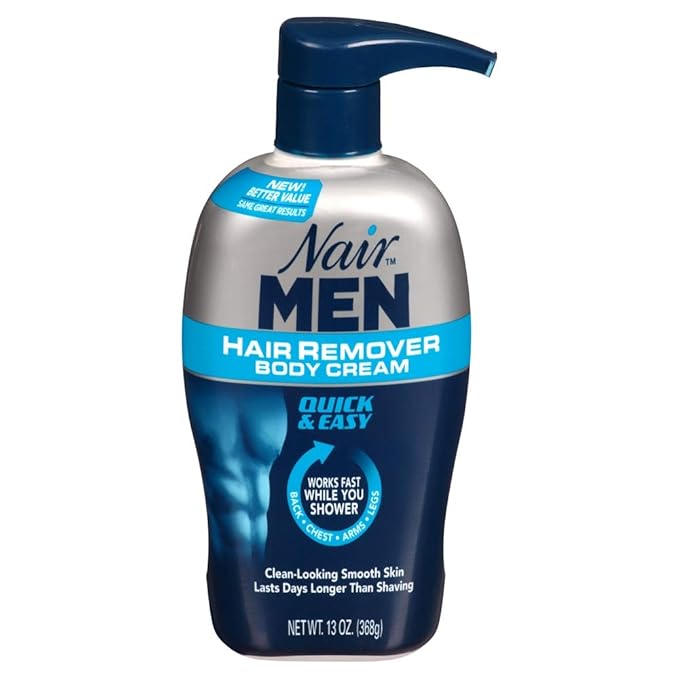
The Best At-Home Laser Hair Removal Devices for Men, Tested by Doctors

Table Of Content Best Travel Size Shaving Creams In 2024 Veet Sensitive Hair Remover Gel Cream Is Using Hair Removal Cream Better Than Shavi...